
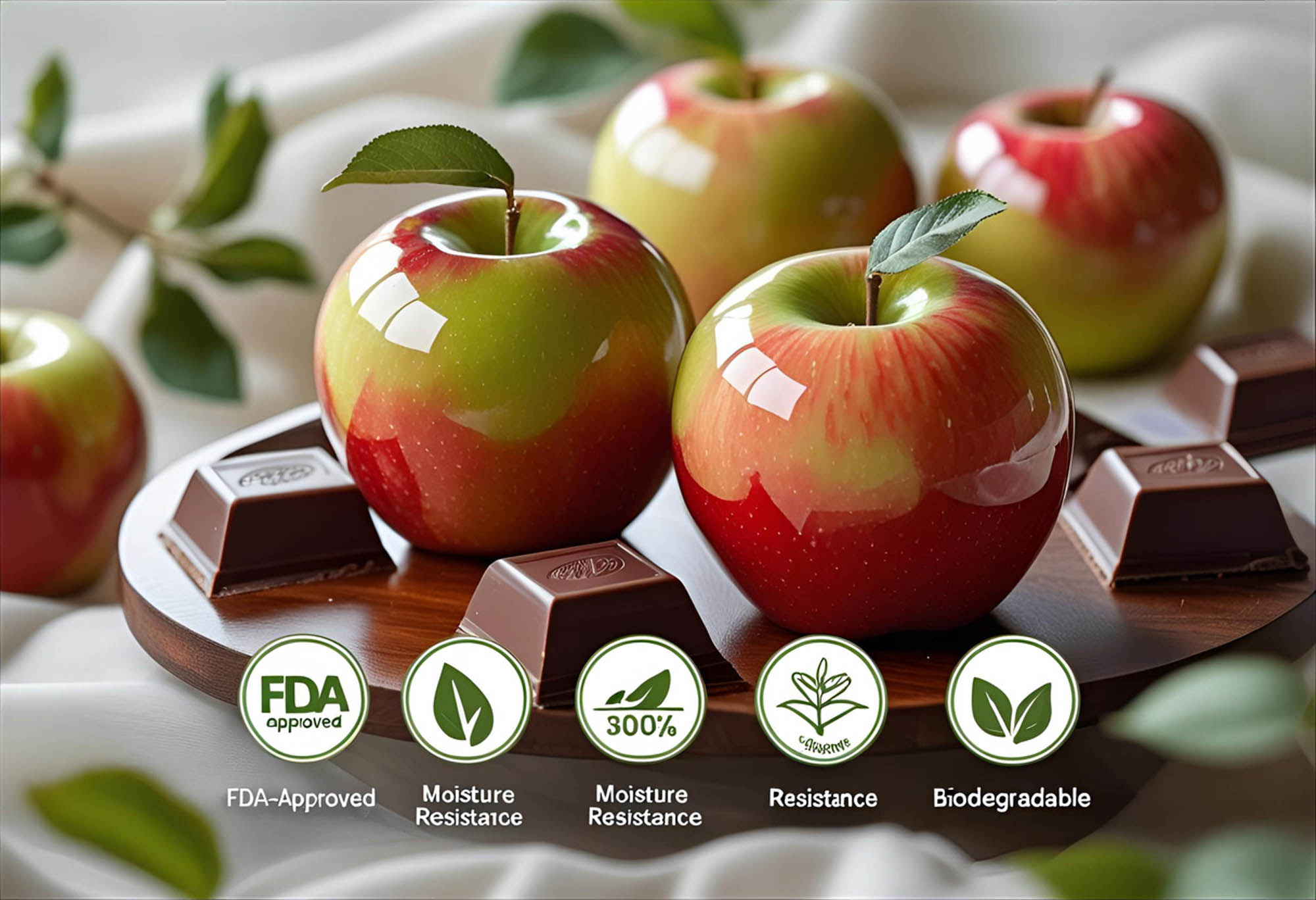
Shellac has carved out a significant role in the food industry, particularly as a natural, non-toxic coating and glazing agent. Derived from the secretion of the lac insect, this resin is refined and processed into a versatile product that helps protect, preserve, and enhance the appearance of various food items.
In fruits such as apples, citrus, and avocados, shellac is commonly applied as a protective edible coating. It helps retain moisture, delays spoilage, and provides an attractive shine that enhances consumer appeal. By forming a semi-permeable barrier on the fruit’s surface, shellac reduces water loss and slows down oxidation, effectively extending shelf life without affecting taste or safety.
Shellac is also widely used in confectionery applications. Chocolates, candies, and chewing gum benefit from shellac’s glossy finish and moisture-resistant properties. It prevents sticky surfaces, improves product handling, and enhances presentation—making it ideal for premium confections.
Moreover, shellac is recognized as safe for food contact by major food safety authorities such as the FDA and EFSA. It is labeled as E904 in food additives and is especially valued in organic and clean-label formulations as a substitute for synthetic coatings.
As the demand for natural, biodegradable, and sustainable ingredients rises, shellac remains a top choice for food manufacturers seeking functionality without compromising on environmental or health standards.


