
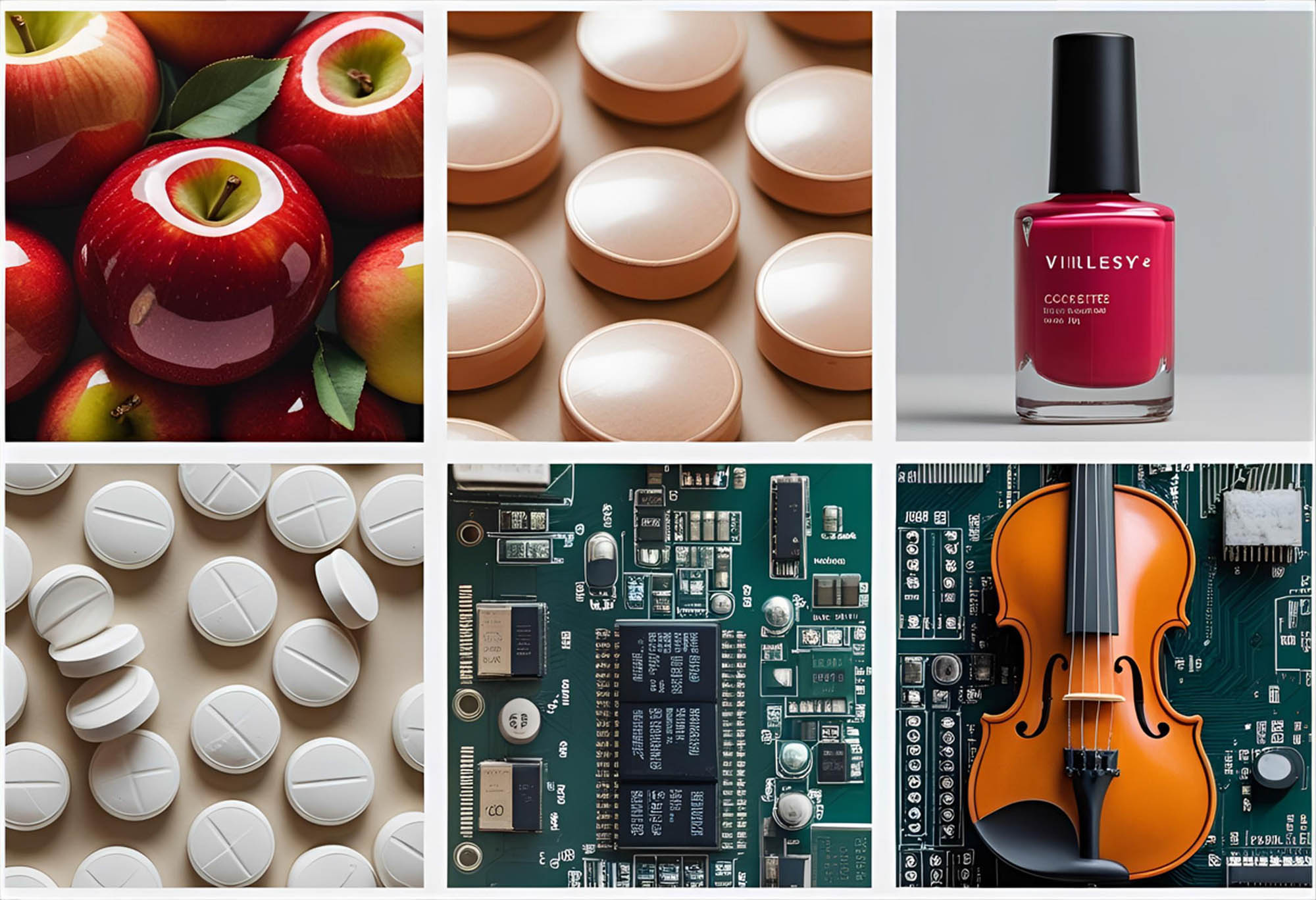
Shellac, a natural resin secreted by the lac insect, is much more than a traditional wood polish. While its glossy finish is widely recognized in furniture and antique restoration, the resin’s versatility spans multiple industries—making it an unsung hero in both high-tech manufacturing and everyday consumer goods.
In the food industry, shellac is used as a glazing and coating agent. It’s the invisible, glossy layer you’ll find on fruits, candies, and pills. As a food-grade resin approved by regulatory bodies like the FDA, shellac provides a natural barrier that enhances shelf life and presentation. Chocolates, chewing gums, and confectioneries often carry this edible shine, making them both appealing and protected from moisture.
In pharmaceuticals, shellac acts as an enteric coating for tablets and capsules. This allows drugs to bypass the stomach and dissolve in the intestine, where absorption is more effective. Shellac’s resistance to gastric acid, combined with its natural origin, makes it ideal for controlled-release formulations.
The cosmetic industry uses shellac in nail lacquers and hair sprays due to its excellent film-forming properties. Its ability to create a flexible yet strong layer makes it suitable for long-lasting beauty products that don’t rely on synthetic polymers.
In electronics, shellac has been historically valued as an insulating material. Though modern materials have taken precedence, shellac still finds niche use in the restoration of vintage audio equipment and transformers, thanks to its natural dielectric properties.
Even fine arts and musical instruments benefit from shellac’s finish. Violins, pianos, and antique paintings are often treated with shellac to protect the surface and enhance their aesthetic character, without compromising the originality of the material.
Its biodegradability, non-toxicity, and renewable sourcing make shellac an increasingly important material in industries looking for sustainable alternatives. From food to pharma, beauty to electronics—shellac’s quiet contribution is nothing short of extraordinary.


