
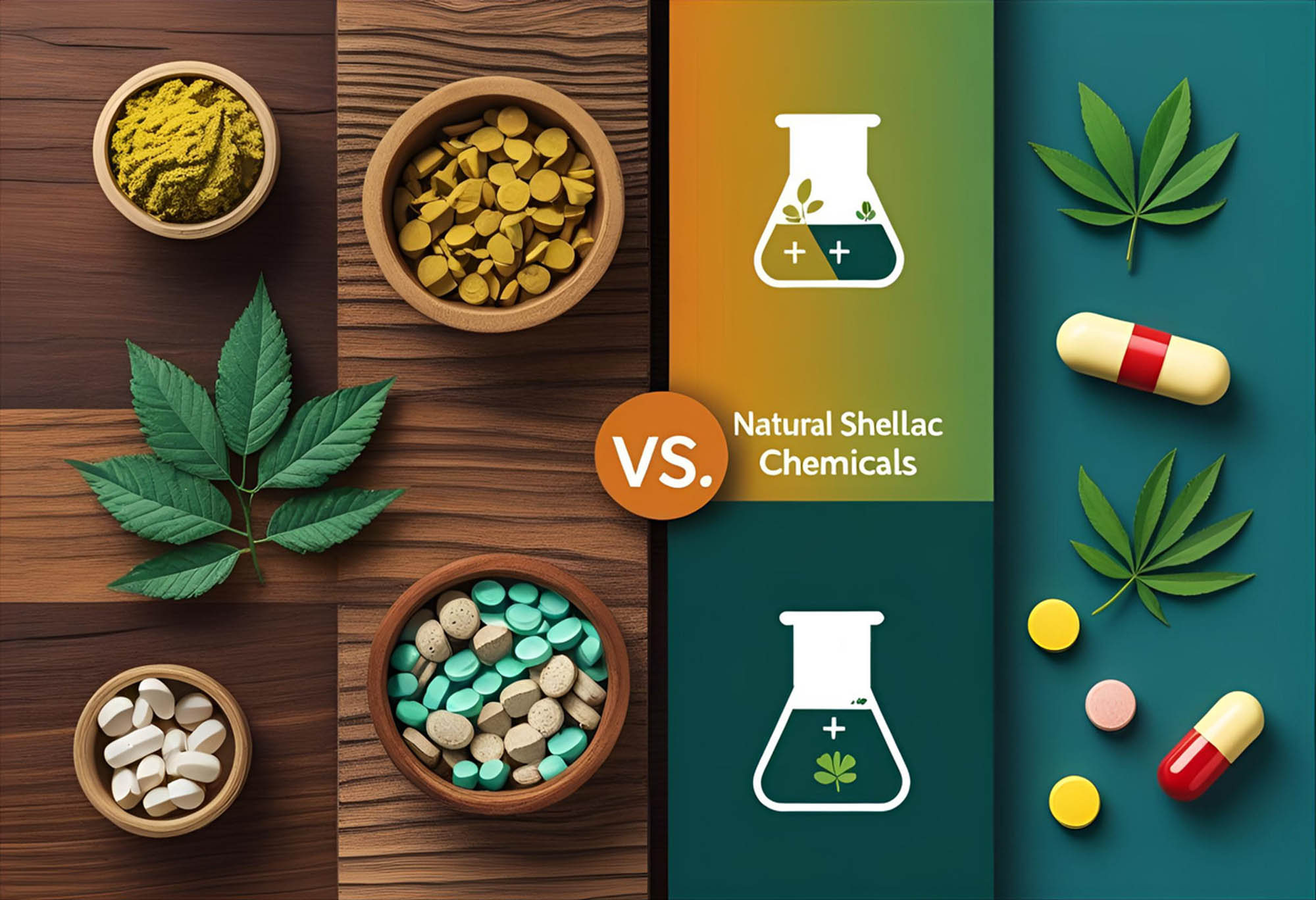
In the evolving landscape of industrial materials, manufacturers are increasingly evaluating natural alternatives to synthetic substances. One such contender is shellac, a resin secreted by the lac insect, which offers a compelling alternative to synthetic polymers in many applications.
Unlike synthetic polymers, which are often derived from petrochemicals, shellac is biodegradable, renewable, and eco-friendly. It decomposes naturally without leaving harmful residues, making it an ideal choice for industries seeking sustainable solutions. This is especially significant in a time when environmental regulations are tightening and corporate sustainability goals are more critical than ever.
Shellac also offers a superior aesthetic finish with a natural gloss and smoothness that is difficult to replicate using synthetic options. In the wood and furniture industry, for example, shellac remains a favored finish due to its warm tone, clarity, and ease of application. In contrast, synthetic coatings often require harsh solvents and involve complex processes.
From an industrial safety standpoint, shellac is non-toxic and food-safe, certified by global food and pharmaceutical regulatory bodies. This opens doors for its use in food packaging, edible coatings, cosmetics, and pharmaceutical formulations—domains where synthetic polymers often fall short due to toxicity concerns.
However, synthetic polymers do offer advantages like higher heat resistance and longer shelf life, making them more suitable for high-performance applications. Yet for low to moderate performance needs—particularly where environmental impact, safety, and natural origin are priorities—shellac provides a viable and often superior option.
As industries shift toward greener materials, shellac is increasingly being recognized not just as a traditional resin, but as a modern solution aligned with today’s sustainability imperatives.


