
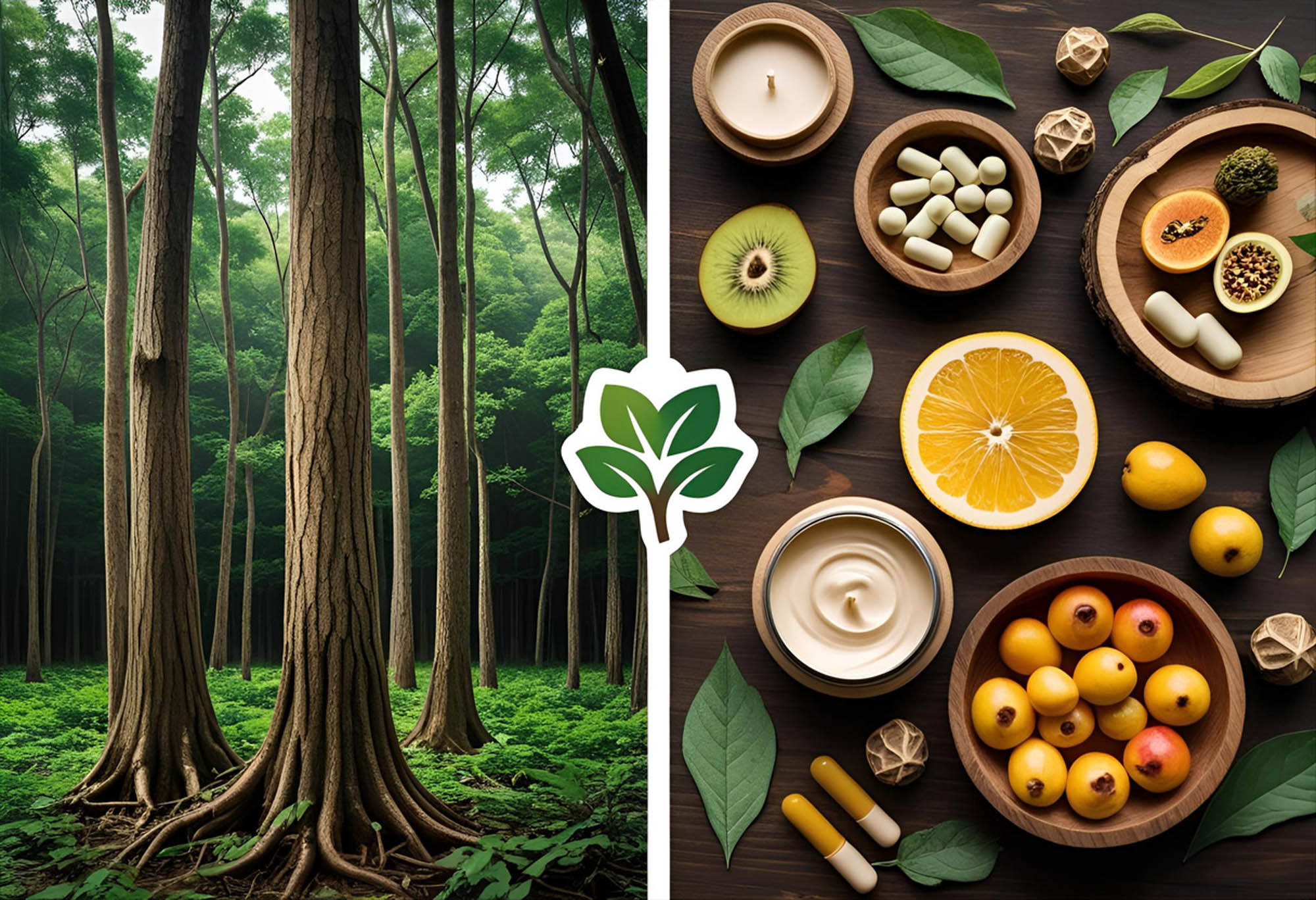
As industries and consumers move toward sustainable and ethical alternatives, questions often arise around traditional materials like shellac. One of the most common debates centers around whether shellac can be considered vegan and how eco-friendly it truly is. To answer this, we must look at its source, production process, and environmental footprint.
Shellac is derived from a natural resin secreted by the lac insect (Kerria lacca), which colonizes trees in parts of India and Southeast Asia. These insects excrete the resin onto branches, forming what’s known as “sticklac.” After harvesting, the raw material goes through various processes—such as crushing, washing, filtering, and drying—to produce seedlac and eventually shellac.
From a vegan perspective, shellac is not considered vegan because it originates from an insect and involves harvesting a substance they produce. Although no animals are intentionally harmed in the process and many insects survive post-harvest, the ethical question revolves around using animal-derived materials. That said, some vegetarians and ethically flexible consumers find shellac acceptable due to its natural, non-industrial origin.
Environmentally, shellac earns high marks. It is biodegradable, non-toxic, and harvested using renewable methods. Unlike synthetic coatings and resins made from petroleum-based products, shellac breaks down naturally and does not pollute water or soil. Moreover, the lac cultivation industry supports rural economies in India and encourages forest preservation, as lac insects can only survive on living host trees.
In short, while shellac may not meet strict vegan criteria, it remains a far more sustainable and eco-friendly alternative to many synthetic materials. Its minimal processing, renewability, and natural origin make it a smart choice for brands and consumers looking to reduce their environmental impact.


